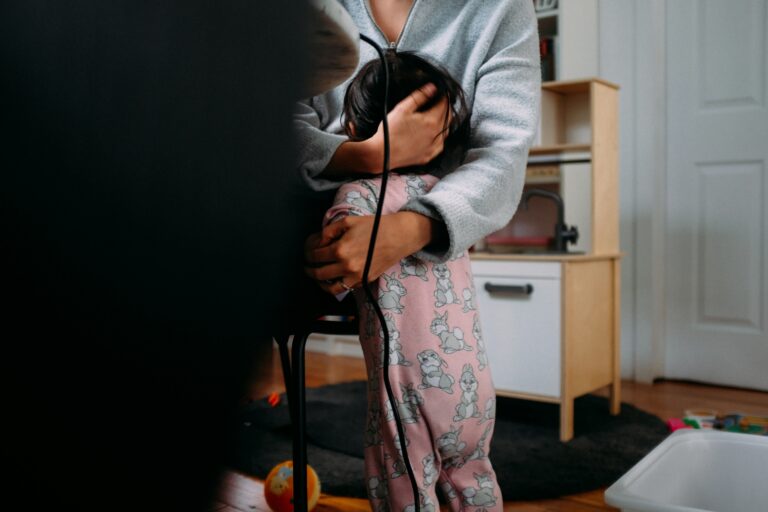
Uncovering the Truth Behind the Men’s Loneliness Epidemic
The mens loneliness epidemic is a growing concern that affects not only men but also their loved ones. It’s a topic that has been gaining attention in recent years, with many experts weighing in on the possible causes and effects. According to a recent study, men are more likely to experience loneliness than women, and this can have severe consequences on their mental and physical health. In this article, we will delve into the world of mens loneliness epidemic and explore the reasons behind it.
What is the Men’s Loneliness Epidemic? and mens loneliness epidemic
The mens loneliness epidemic refers to the increasing number of men who are experiencing feelings of isolation and disconnection from others. This can be due to various factors such as social media, lack of meaningful relationships, and the pressure to conform to traditional masculine norms. For example, a man who has recently gone through a divorce may find it difficult to connect with others due to the stigma surrounding male emotions. This can lead to feelings of loneliness and isolation, which can further exacerbate the problem.
The Causes of the Men’s Loneliness Epidemic
So, what are the causes of the mens loneliness epidemic? One of the main reasons is the way men are socialized to suppress their emotions. From a young age, boys are taught to be strong and stoic, and to avoid showing vulnerability. This can make it difficult for men to form meaningful relationships and to express their emotions in a healthy way. Additionally, the rise of social media has created a culture of comparison and competition, where men feel pressure to present a perfect image to the world. This can lead to feelings of inadequacy and loneliness, as men compare their lives to the curated highlight reels of others. For more information on how social media affects mental health, check out our article on the impact of social media on mental health.
How the Men’s Loneliness Epidemic Affects Relationships
The mens loneliness epidemic can have a significant impact on relationships. When men are lonely, they may become withdrawn and isolated, which can put a strain on their relationships with family and friends. This can be especially difficult for women who are in relationships with men who are experiencing loneliness. For example, a woman may find it challenging to connect with her partner who is struggling with feelings of isolation. To learn more about how to navigate these complex relationships, visit our page on relationship advice.
The Importance of Addressing the Men’s Loneliness Epidemic
It’s essential to address the mens loneliness epidemic, not just for the sake of men, but also for the sake of their loved ones. When men are lonely, it can have a ripple effect on those around them, leading to feelings of frustration, anxiety, and depression. By acknowledging the mens loneliness epidemic and working to address it, we can create a more supportive and compassionate community. As noted by Vogue, it’s crucial to encourage men to open up about their emotions and to seek help when needed.
More Tips for Mens loneliness epidemic
Quality matters more than quantity. Start with solid strategies and build from there.
Pay attention to details. Small adjustments often create the biggest impact with mens loneliness epidemic.
Be patient and consistent. Results take time, but steady progress builds expertise.
Breaking the Silence Around the Men’s Loneliness Epidemic
Breaking the silence around the mens loneliness epidemic is crucial to creating a more open and honest dialogue about men’s mental health. By talking about the issue and raising awareness, we can help to reduce the stigma surrounding male emotions and encourage men to seek help when needed. This can involve simple actions such as checking in with a friend or family member who may be struggling, or by supporting organizations that work to promote men’s mental health. By working together, we can create a more supportive and inclusive community that values the well-being of all individuals, regardless of gender.