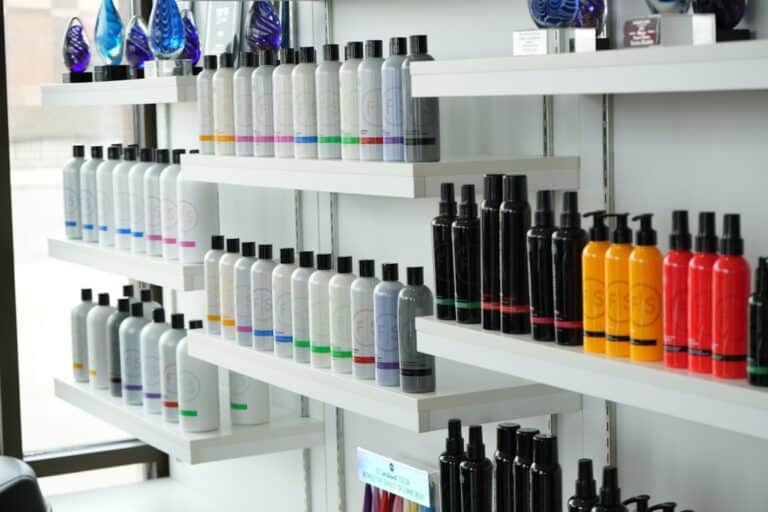
The beauty industry has transformed dramatically in 2026, and if you’re still relying on last year’s skincare routine, you’re missing out on some seriously game-changing innovations. Clean beauty is no longer just about what’s NOT in your products—it’s about what IS working at a cellular level to transform your skin.
Gone are the days of vague promises and marketing fluff. Today’s beauty consumers demand transparency, efficacy, and science-backed results. And the industry is delivering with breakthrough ingredients like PDRN, biotech-driven formulations, and skincare-makeup hybrids that actually work.
Whether you’re dealing with stubborn acne, signs of aging, or simply want that coveted “glass skin” glow, this comprehensive guide will walk you through the most effective clean beauty products and trending ingredients that dermatologists are recommending in 2025.
What Makes Clean Beauty “Clean” in 2026?
The New Definition of Clean Beauty
Clean beauty in 2025 goes far beyond just being “paraben-free” or “natural.” It’s evolved into a sophisticated approach that combines:
Transparency: Full ingredient disclosure with clear sourcing information
Efficacy: Clinical studies and proven results, not just marketing claims
Safety: Non-toxic formulations free from known irritants and allergens
Sustainability: Eco-friendly packaging and ethical sourcing practices
Innovation: Biotech-derived ingredients that outperform traditional formulas
Why Science-Backed Matters More Than Ever
With over 1.9 billion views for the hashtag CleanBeauty on TikTok and 6.1 billion tags on Instagram, consumers are more educated than ever about what goes on their skin. Research shows that 63% of US consumers now actively seek products with natural ingredients, but they also want scientific proof that these products actually work.
This is where 2025’s beauty revolution shines: marrying clean, safe ingredients with cutting-edge biotechnology and dermatological research.
Top 5 Breakthrough Skincare Ingredients of 2026
1. PDRN (Polydeoxyribonucleotide): The Viral Skin Regeneration Hero
If you’ve been on beauty TikTok or Instagram in 2025, you’ve definitely heard about PDRN—often referred to as “salmon sperm” skincare (though most products now use plant-derived sources). This DNA-derived molecule became one of the year’s most searched beauty ingredients, and for good reason.
What It Does:
- Improves skin healing and regeneration at a cellular level
- Boosts fibroblast activity (the cells that produce collagen)
- Increases collagen stimulation naturally
- Reduces inflammation and promotes wound healing
- Enhances skin elasticity and firmness
Who It’s For: Anyone dealing with aging skin, loss of firmness, dullness, or recovering from skin damage. Celebrities like Kim Kardashian and Jennifer Aniston have openly discussed their love for PDRN treatments.
How to Use: Look for PDRN serums or ampoules. Apply after cleansing and before moisturizer. Use consistently for 8-12 weeks to see optimal results.
2. Azelaic Acid: The Multi-Tasking MVP
Crowned as 2025’s top-trending skincare acid on Google, azelaic acid has stolen the spotlight from traditional favorites like glycolic and salicylic acid—and deserves every bit of attention.
What It Does:
- Anti-inflammatory properties calm irritated skin
- Antibacterial action fights acne-causing bacteria
- Inhibits melanin production to fade dark spots and hyperpigmentation
- Normalizes skin cell growth to improve texture
- Effective for multiple skin concerns: acne, rosacea, melasma, and post-inflammatory hyperpigmentation
Who It’s For: All skin types, especially those struggling with acne, uneven skin tone, rosacea, or stubborn dark spots. It’s gentle enough for sensitive skin yet powerful enough to deliver real results.
How to Use: Start with a 10% concentration, applying once daily in the evening. Can be used alongside other actives like retinol (on alternate nights) and vitamin C (in the morning).
3. Biotech-Derived Peptides: Personalized Skin Solutions
Peptides aren’t new, but biotech-derived peptides in 2025 have reached new levels of sophistication. These are lab-created amino acid chains that signal your skin to perform specific functions—like producing more collagen or reducing inflammation.
What They Do:
- Signal peptides tell your skin to produce collagen and elastin
- Carrier peptides deliver trace minerals deep into skin
- Neurotransmitter peptides reduce the appearance of expression lines
- Enzyme-inhibitor peptides slow down collagen breakdown
Who They’re For: Anyone concerned with aging, fine lines, loss of firmness, or skin that’s lost its bounce and elasticity.
Product Recommendations: Look for hexapeptide-9, matrixyl, and copper peptides in your serums and moisturizers.
4. Exosomes: The Next-Generation Communication Molecules
Exosomes are tiny cellular messengers that have become one of 2025’s most exciting skincare innovations. These microscopic vesicles carry genetic information and proteins that tell your skin cells how to repair and regenerate.
What They Do:
- Enhance cellular communication for more efficient skin repair
- Boost collagen and elastin production
- Reduce inflammation and support skin barrier function
- Improve skin texture, firmness, and overall radiance
Who They’re For: Those seeking advanced anti-aging solutions or dealing with significant skin damage, dullness, or loss of elasticity.
Pro Tip: Exosome products tend to be premium-priced, but many users report they’re worth the investment for visible results.
5. Plant-Derived Retinol Alternatives (Bakuchiol)
While retinol remains effective, 2025 has seen a surge in demand for gentler, plant-based alternatives that deliver similar results without irritation.
What It Does:
- Stimulates collagen production like retinol
- Improves skin texture and reduces fine lines
- Evens skin tone and fades hyperpigmentation
- No photosensitivity—safe to use morning and night
- Perfect for sensitive skin, pregnancy-safe
Who It’s For: Anyone who can’t tolerate traditional retinol, has sensitive skin, or is pregnant/breastfeeding but still wants anti-aging benefits.
Building Your Clean Beauty Routine: A Step-by-Step Guide
Morning Routine (AM): Protect & Glow
Step 1: Gentle Cleanser
Start with a pH-balanced, sulfate-free cleanser that won’t strip your skin barrier. Look for ingredients like ceramides and glycerin.
Step 2: Vitamin C Serum
Apply a stable vitamin C serum (L-ascorbic acid or ethyl ascorbic acid) to protect against environmental damage and brighten skin.
Step 3: Hydrating Toner or Essence
The “milky toner” trend exploded in 2025—these thicker, cream-based toners provide extra hydration for dry skin types.
Step 4: Targeted Treatment
This is where you’d apply azelaic acid for brightening or a peptide serum for anti-aging.
Step 5: Eye Cream
Don’t skip this! The delicate eye area needs specialized care with ingredients like caffeine, peptides, and hyaluronic acid.
Step 6: Moisturizer
Choose based on your skin type—lightweight gel for oily skin, richer cream for dry skin.
Step 7: SPF (Non-Negotiable!)
Mineral sunscreen with zinc oxide or titanium dioxide is the gold standard for clean beauty. Minimum SPF 30, ideally SPF 50.
Evening Routine (PM): Repair & Regenerate
Step 1: Double Cleanse
- First cleanse: Oil-based cleanser or micellar water to remove makeup and SPF
- Second cleanse: Water-based cleanser for deep cleaning
Step 2: Exfoliating Toner (2-3x weekly)
Gentle AHA/BHA toner to resurface skin and improve texture. Skip on nights you’re using retinol.
Step 3: Treatment Serum
This is prime time for your PDRN serum, exosome treatment, or retinol alternative.
Step 4: Eye Cream
Nighttime eye cream can be richer, with ingredients like retinol or bakuchiol for anti-aging.
Step 5: Face Oil (Optional)
For extra nourishment, add a facial oil with ingredients like squalane, rosehip, or marula oil.
Step 6: Night Cream or Sleeping Mask
Seal everything in with a rich moisturizer or overnight treatment mask.
The Rise of Skincare-Makeup Hybrids: Beauty That Works Harder
One of 2025’s biggest trends is the blurring line between skincare and makeup. These multi-tasking products don’t just cover imperfections—they actively improve your skin while you wear them.
Top Skincare-Makeup Hybrids to Try:
Tinted SPF Moisturizers:
Lightweight coverage with sun protection and hydrating ingredients like hyaluronic acid and niacinamide. Perfect for the “no-makeup makeup” look that’s still trending.
Serum Foundations:
These foundations are packed with skincare actives like peptides, antioxidants, and hydrating agents. They provide buildable coverage while treating your skin.
Cream Blush Sticks with Skincare Benefits:
The blush trend reached fever pitch in 2025, with a 21% year-over-year increase in sales. Modern cream blushes contain ingredients like vitamin E, shea butter, and botanical extracts.
SPF Primers:
Prime your skin while protecting it from UV damage and blue light. Look for formulas with color-correcting properties too.
Lip Oils and Balms with Treatment Benefits:
Glossy lips are back, but now they come fortified with peptides, hyaluronic acid, and SPF protection.
Skin Barrier Repair: The Foundation of Healthy Skin
Why Your Skin Barrier Matters
Your skin barrier is like a brick wall—skin cells are the bricks, and lipids (ceramides, cholesterol, fatty acids) are the mortar. When this barrier is compromised, you experience:
- Increased sensitivity and irritation
- Excessive dryness or oiliness
- Breakouts and inflammation
- Accelerated aging
- Inability to retain moisture
How to Repair Your Skin Barrier:
1. Simplify Your Routine
Less is more when your barrier is damaged. Stick to gentle cleanser, hydrating serum, moisturizer, and SPF.
2. Focus on Barrier-Repair Ingredients:
- Ceramides
- Niacinamide (vitamin B3)
- Cholesterol
- Fatty acids
- Colloidal oatmeal
- Centella asiatica
3. Avoid Harsh Actives Temporarily
Give retinol, strong acids, and physical scrubs a break until your barrier is restored (usually 2-4 weeks).
4. Lock in Moisture
Use the “sandwich method”: apply hydrating serum, then moisturizer, then an occlusive layer (like squalane oil) to seal everything in.
Personalized Skincare: The Future is Now
The Shift from Skin Types to Skin Biology
2025 marks a significant shift in how we approach skincare. Instead of broad categories like “dry” or “oily” skin, biotech-driven skincare now offers solutions tailored to your unique cellular profile.
Personalization Options Available:
DNA-Based Skincare Analysis:
Companies now offer at-home DNA tests that analyze your genetic predispositions for aging, pigmentation, sensitivity, and collagen production. Your results inform customized product formulations.
AI Skin Scanning Apps:
Advanced AI technology can analyze your skin concerns from a smartphone photo, tracking changes over time and recommending specific products and treatments.
Custom Formulations:
Brands create made-to-order serums and moisturizers based on your skin’s specific needs, environment, and goals.
Microbiome Testing:
Understanding your skin’s unique bacterial ecosystem allows for targeted probiotic and prebiotic treatments that support optimal skin health.
LED Light Therapy: Clinical Results at Home
Red light therapy devices became one of 2025’s biggest beauty tool trends, and unlike many gadget fads, this one has solid scientific backing.
The Science Behind LED Therapy:
Red Light (630-700nm):
- Stimulates collagen production
- Reduces inflammation
- Improves skin texture and tone
- Accelerates healing
Blue Light (415-495nm):
- Kills acne-causing bacteria
- Reduces breakouts
- Controls oil production
Near-Infrared Light (800-880nm):
- Penetrates deeper into skin
- Promotes cellular regeneration
- Reduces appearance of fine lines
Best Practices for LED Therapy:
- Use consistently: 10-20 minutes daily for best results
- Start seeing results in 4-8 weeks
- Always use on clean skin
- Can be combined with serums for enhanced absorption
- Safe for all skin types and tones
Clean Beauty Product Recommendations by Concern
For Acne-Prone Skin:
- Azelaic acid serum (10-20%)
- Niacinamide moisturizer
- Salicylic acid cleanser (gentle formula)
- Tea tree or zinc-based spot treatment
- Blue LED light therapy device
For Aging Skin:
- PDRN or exosome serum
- Bakuchiol night treatment
- Peptide eye cream
- Vitamin C serum with ferulic acid
- Red LED light therapy device
For Hyperpigmentation:
- Azelaic acid + niacinamide combination
- Vitamin C serum (morning)
- Tranexamic acid treatment
- Alpha arbutin serum
- Daily SPF 50 (absolutely essential!)
For Sensitive/Reactive Skin:
- Ceramide-rich moisturizer
- Centella asiatica calming serum
- Gentle micellar water cleanser
- Colloidal oatmeal mask
- Fragrance-free everything
For Dry/Dehydrated Skin:
- Hyaluronic acid multi-molecular serum
- Milky toner or essence
- Squalane facial oil
- Rich barrier-repair cream
- Overnight sleeping mask
The Truth About “Beauty From Within”
Ingestible beauty—supplements designed to improve skin, hair, and nails from the inside out—exploded in popularity in 2025. But do they actually work?
Supplements with Science Behind Them:
Collagen Peptides:
Studies show oral collagen can improve skin elasticity and hydration after 8-12 weeks of consistent use.
Omega-3 Fatty Acids:
Support skin barrier function and reduce inflammation. Essential for overall skin health.
Probiotics:
Support gut health, which directly impacts skin clarity and inflammation.
Vitamin C:
Necessary for collagen synthesis. Oral supplementation complements topical use.
Biotin:
Supports hair and nail health, though topical treatments often work better for skin.
The Reality Check:
Supplements work best as a complement to—not a replacement for—topical skincare. Think of them as supporting actors, not the star of the show. Always consult with a healthcare provider before starting any supplement regimen.
Sustainable Beauty: Making Eco-Conscious Choices
What to Look For:
Refillable Packaging:
Brands like Kjaer Weis and Byredo lead with beautiful, refillable compacts and bottles.
Carbon-Neutral Shipping:
Many brands now offset their shipping emissions.
Waterless Formulas:
Concentrated products that you activate with water at home.
Recyclable Materials:
Glass, aluminum, and PCR (post-consumer recycled) plastics.
Minimal Packaging:
Less waste, more product, better for the planet.
Common Clean Beauty Mistakes to Avoid
1. Over-Exfoliating
Using acids every day will destroy your skin barrier. Stick to 2-3 times weekly max.
2. Mixing Incompatible Actives
Don’t use retinol + vitamin C + AHA all at once. Layer strategically and give your skin breaks.
3. Skipping SPF
All your expensive serums mean nothing if you’re not protecting your skin from UV damage daily.
4. Expecting Overnight Results
Skincare takes time. Most actives need 8-12 weeks of consistent use to show significant results.
5. Not Patch Testing New Products
Always test new products on a small area first, especially if you have sensitive skin.
Building Your Beauty Budget: Where to Invest vs. Save
Splurge-Worthy Products:
- Serums with active ingredients (vitamin C, retinol, PDRN, exosomes)
- SPF (high-quality sun protection is non-negotiable)
- Professional LED devices (one-time investment with long-term benefits)
- Eye creams (specialized formulations make a difference)
Where You Can Save:
- Cleansers (drugstore options work just as well)
- Basic moisturizers (simple formulas with ceramides and hyaluronic acid)
- Makeup removers (micellar water is affordable and effective)
- Sheet masks (fun but not essential; save for occasional treats)
Expert Tips from Dermatologists
Dr. Anna Karp, Board-Certified Dermatologist:
“The most important thing you can do for your skin in 2025 is prioritize barrier health and sun protection. All the fancy serums in the world won’t help if your foundation isn’t solid.”
Key Takeaways:
- Consistency matters more than having the latest viral product
- Less is often more—don’t overwhelm your skin with too many actives
- Listen to your skin and adjust your routine seasonally
- When in doubt, see a professional for personalized advice
- Remember that genetics play a role—work with your skin, not against it
The Bottom Line: Your 2026 Clean Beauty Action Plan
Creating an effective clean beauty routine in 2026 doesn’t have to be complicated or expensive. Focus on these fundamentals:
✅ Cleanse gently twice daily
✅ Protect with SPF every single morning
✅ Target specific concerns with science-backed actives
✅ Support your barrier with ceramides and hydration
✅ Be patient and consistent for 8-12 weeks minimum
✅ Adjust seasonally as your skin’s needs change
The beauty industry in 2025 offers unprecedented access to effective, clean, science-backed products that deliver real results. Whether you’re team minimalist or love a 10-step routine, there’s never been a better time to invest in your skin’s health and radiance.
Remember: the goal isn’t perfection—it’s healthy, confident skin that makes you feel amazing.
Frequently Asked Questions
Q: How long does it take to see results from clean beauty products?
Most active ingredients require 8-12 weeks of consistent use. Some, like hyaluronic acid, show immediate hydration benefits, while others like retinol alternatives need months to reveal anti-aging results.
Q: Can I use multiple active ingredients together?
Yes, but strategically. Use vitamin C in the morning, retinol at night, and acids 2-3x weekly. Always introduce new actives one at a time, waiting 2 weeks between additions.
Q: Is clean beauty actually more effective than conventional skincare?
“Clean” doesn’t automatically mean more effective. What matters is the formulation quality and active ingredient concentration. Many clean brands now combine safe, non-toxic ingredients with cutting-edge biotech for superior results.
Q: Do I really need a separate eye cream?
Yes! The eye area has thinner skin, fewer oil glands, and different concerns (dark circles, fine lines). Specialized eye creams address these unique needs better than face moisturizers.
Q: How do I know if a product is truly “clean”?
Look for third-party certifications like EWG Verified, Made Safe, or Leaping Bunny. Read ingredient lists, research the brand’s transparency, and check for clinical studies backing their claims.